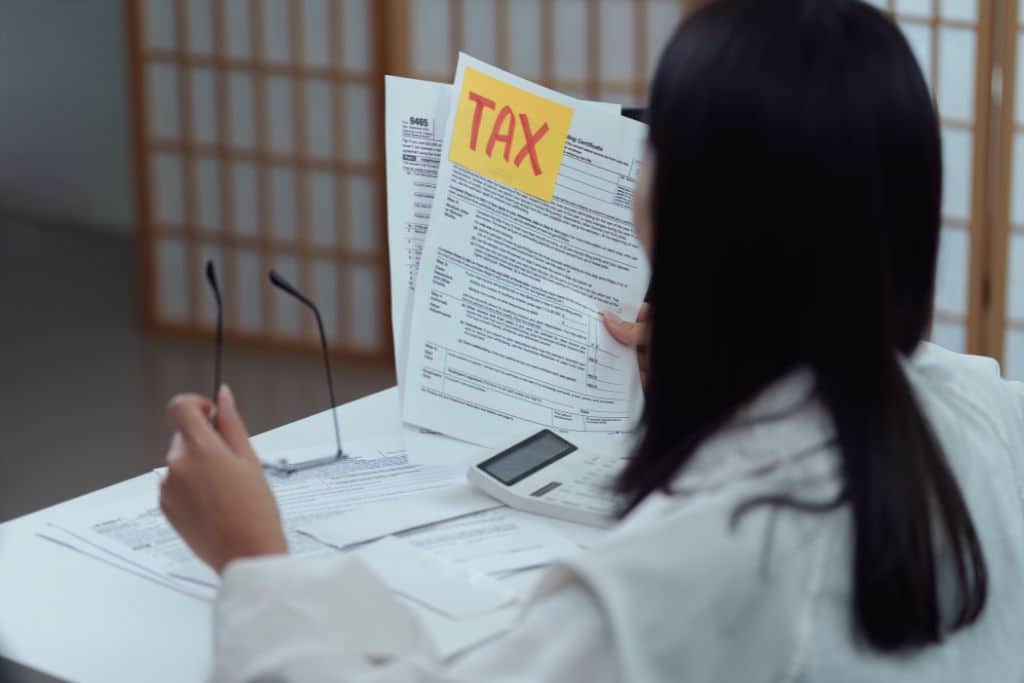
When Tax Season Feels Like a Tightrope
Tax season can feel like a turning point. For some people, it is. For others, it is a tightrope walk: rent is due, the car needs work, groceries cost more than they used to, and the refund that was supposed to help is not in your account yet.
That gap is where high-interest loans tend to show up.
If you are staring at a short-term cash crunch and thinking about a payday loan, or you already have one and it keeps rolling over, this is your reminder that you are not alone and you are not stuck. There are better ways to bridge a gap and there are structured ways to break the cycle.
Why payday loans feel helpful at first
A payday loan is usually marketed as simple: borrow a small amount now, repay it from your next paycheck. The problem is the math. The Consumer Financial Protection Bureau notes that a common fee is about $15 per $100 borrowed, which works out to an APR of almost 400% for a two-week loan.
That fee structure matters because payday loans are not designed to be repaid slowly. They are designed to be repaid quickly, on a due date that often lands when your budget is already stretched.
Then a second problem shows up: repeat borrowing.
The CFPB has reported that most payday loans are rolled over or renewed rather than fully repaid, which is one reason the cost keeps climbing even when the original loan amount stays the same.
None of this means someone is careless. It usually means their budget did not have enough margin to absorb the original shock.
Why tax season can make the cycle worse
Tax season brings two forces together:
-
People are waiting on money they expect.
-
Life does not pause while they wait.
The IRS has said most refunds are issued in less than 21 calendar days when you file electronically and choose direct deposit, but “most” does not mean “everyone,” and delays happen for normal reasons.
When a refund is late or smaller than expected, a short-term loan can start looking like a bridge. Some tax-related products can also blur the line between a refund and a loan. The CFPB has warned that “refund advance” products are still borrowing, and any fees or interest come out of your refund.
The bigger issue is not tax season itself. The issue is what tax season exposes: many households are trying to run a life on a budget that leaves very little room for surprises. In the Federal Reserve’s report on household well-being, 63% of adults said they could cover a $400 emergency expense using cash or its equivalent, which means a large share would need to borrow, sell something, or would not be able to cover it.
That is the environment where payday loan cycles grow.
Quick Wins Box: Three moves before you borrow
1) Buy 24 hours. If the bill is not due today, take one day to compare options. A single day of planning often beats weeks of fees.
2) Ask the bill for a payment plan. Utilities, landlords, medical offices, and even some lenders may offer a short-term plan. You will not know until you ask.
3) Treat the refund like a plan, not a prize. Decide in advance what the refund needs to do: stabilize this month, pay down a specific debt, and create a small buffer.
If you already have one payday loan, do this first
If you are already in the cycle, the goal is not perfection. The goal is to stop the pattern that keeps resetting you to zero.
-
List every loan, fee, and due date. Not in your head. On paper or in a notes app. A cycle stays powerful when it stays vague.
-
Find the true monthly cost. How much are you paying in fees and renewals each month to keep the loans alive?
-
Protect your cash flow. If a lender has authorization to pull payments directly from your account, understand the timing and the risk of overdrafts. The goal is to avoid a chain reaction of fees.
-
Make one plan you can repeat. The best plan is the one you can follow next pay period, not the one that looks impressive today.
This is also where nonprofit help can matter, because you do not need to solve it alone.
What payday loan consolidation actually means
“Consolidation” is a word that gets used loosely online. In the nonprofit credit counseling context, the core idea is simple:
-
You take a scattered, high-pressure repayment situation
-
And turn it into a structured plan with fewer moving parts
That might mean a single planned payment instead of multiple withdrawals, rollovers, and late fees. It might also mean guidance on budgeting so the plan holds.
It is not a magic eraser. It is a structured path out.
If you want the details of how this works in practice, see our payday loan consolidation options, including what to expect and what you’ll need.
How to use your tax refund to break the cycle
If you are expecting a refund, the temptation is to use it as a rescue rope for everything at once. That usually leads to a quick spending burst and the same cash crunch a month later.
A better approach is to give the refund three jobs:
-
Stabilize the month you are in.
Cover the immediate gap that would otherwise push you toward another loan. -
Attack the part of the cycle that keeps repeating.
That usually means paying down the loan balance or fees that are triggering rollovers. -
Create a small buffer, even if it is modest.
A buffer of $200 to $500 can be the difference between “I need a loan” and “I can breathe for two weeks.”
Here is a simple example:
-
Refund: $2,400
-
Immediate gap (rent shortfall, utilities, groceries): $900
-
Payday loan balance and fees that keep rolling: $1,200
-
Starter buffer: $300
That is not glamorous. It is effective.
You are not trying to “win” tax season. You are trying to remove the conditions that make a high-interest loan feel necessary.
If you are considering a new payday loan right now
If you have not borrowed yet, you still have leverage. Even a few alternatives can save you from months of fees.
Consider these options before you borrow:
-
Payment plans or hardship options with the biller
-
Temporary reductions like pausing non-essentials for one pay cycle
-
Community resources for food, utilities, or rent assistance if that is the pressure point
-
A structured repayment plan if you are already managing multiple debts
It is also worth remembering that the Federal Reserve reports that 6% of adults used a payday, pawn, auto title, or tax refund anticipation loan in 2024. That is not “everyone,” but it is enough people that you should not feel isolated if you are in this moment.
What to expect if you reach out for help
Nonprofit credit counseling is not a lecture. It is a process.
Typically, you should expect:
-
A review of income, bills, and existing loans
-
A clear explanation of options and tradeoffs
-
A plan you can maintain, not one that relies on willpower alone
If payday loans are part of your picture, the goal is to reduce the chaos and replace it with structure.
The point of all this
Tax season is not just a deadline. It is a moment when a lot of people take stock.
If you are reading this while trying to keep your head above water, the most important thing I can say is this: the cycle is common, but it is not permanent. With a plan that fits your real life, you can use this season to move forward instead of repeating the same two-week loop.